

For three years, using AI meant typing a prompt and copying the output into another window. However, that era ended in the second half of 2026.
Between August and September 2026, xAI, OpenAI, and Meta all shipped persistent AI agents. These agents run on their own cloud computers around the clock. Instead of waiting for your prompt, they log into apps, browse the web, and finish tasks while your laptop stays closed.
Here is a look at the major agents reshaping the market. We will also examine public adoption rates and whether these tools actually turn a profit.
The 2026 Wave of Persistent AI Agents
The defining shift in late 2026 is giving AI models their own virtual machines. Rather than relying only on fragile API hooks, new agents use software interfaces just like a human worker.
1. xAI Grok Bot
SpaceXAI launched Grok Bot in August 2026 alongside Grok 4.6. Each bot runs on its own cloud computer 24/7. Furthermore, it logs directly into websites and legacy software without needing an API.
A lead bot can also assign tasks to specialist bots inside one shared thread. xAI targets power users and developers with this tool. Therefore, the company bundles it into SuperGrok and Cursor plans costing $120 to $300 per seat each month.
2. OpenAI Dots
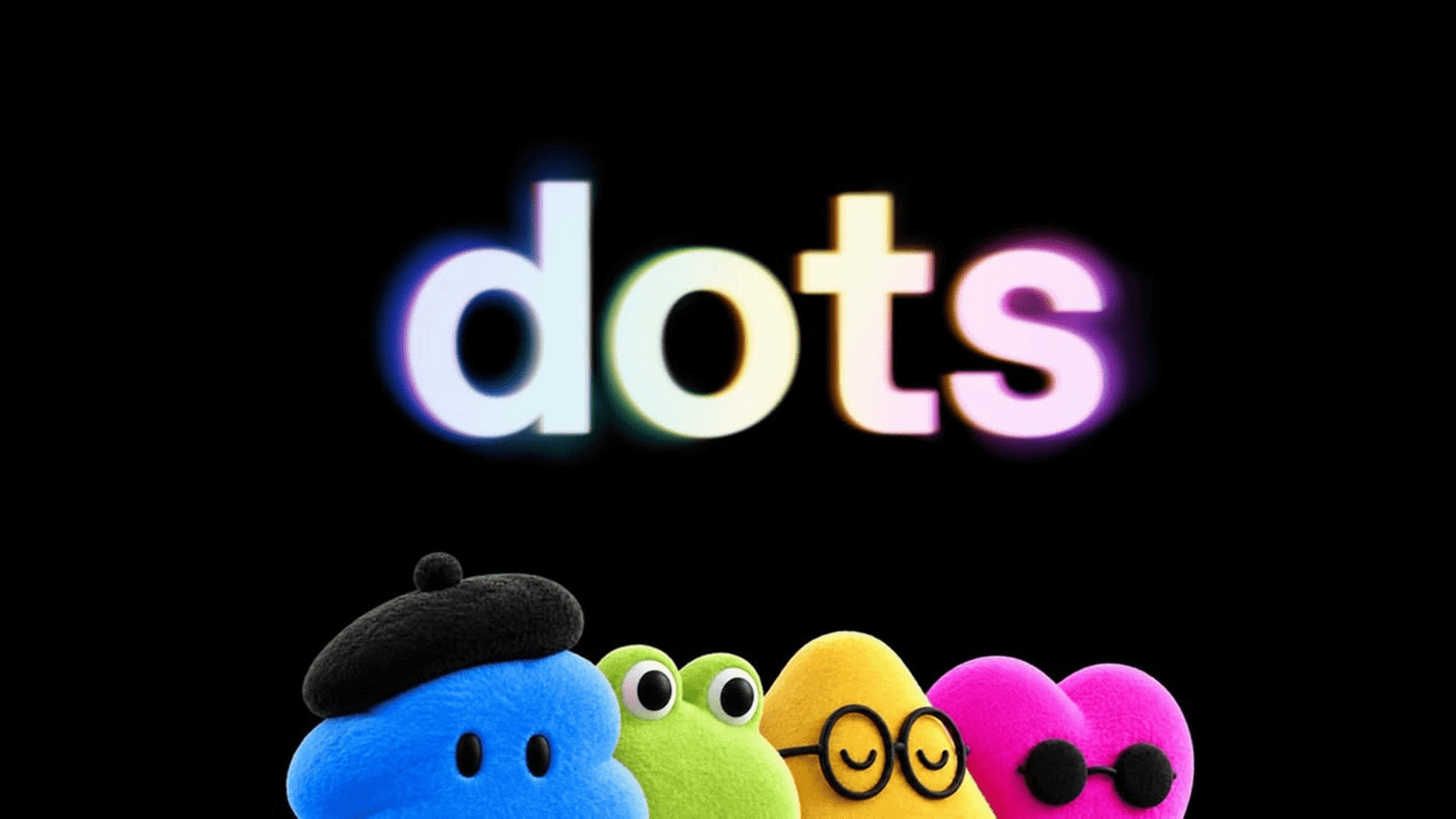
OpenAI unveiled Dots at DevDay on September 29, 2026, powered by GPT-6 Astra. Each Dot gets a hosted cloud computer and browser inside ChatGPT. In addition, it connects to over 4,000 apps and shares memory with your account.
Users control these agents through four Custom Rules. For example, you can let a Dot act alone or require it to ask before every step. OpenAI later expanded access to Business Standard and select $20/month Plus users in November 2026.
3. Meta Muse
While xAI and OpenAI targeted office workers first, Meta aimed straight at everyday consumers. Launched in September 2026, Muse runs on the Muse Spark model across iOS, Android, WhatsApp, and the web.
Every Muse session runs inside an isolated cloud virtual machine. Meanwhile, a separate “Sentinel” security agent hides your raw passwords and payment details. As a result, users safely assign everyday errands like ordering groceries from saved Instagram reels or booking travel.
4. Other Major Contenders
- Anthropic Claude Cowork: This cloud agent runs long tasks in an isolated container and connects to local files through Claude Desktop. It also supports parallel sub-agents and asks permission before deleting files.
- Google Project Astra and Gemini Live: Google retired its standalone Project Mariner extension in May 2026. Instead, it folded live screen understanding and cross-session memory into Gemini Live across Android and smart glasses.
| Agent | Developer | Primary Target | Core Environment | Starting Access / Pricing |
|---|---|---|---|---|
| Grok Bot | SpaceXAI (xAI) | Power users & teams | Cloud computer + no-API web login | SuperGrok / Cursor ($120-$300/mo) |
| OpenAI Dots | OpenAI | Professionals & teams | Cloud browser + 4,000+ app plugins | ChatGPT Pro, Business, select Plus |
| Meta Muse | Meta | General consumers | Isolated VM + Sentinel privacy guard | Free tier + paid upgrades |
| Claude Cowork | Anthropic | Knowledge workers & devs | Cloud container + Desktop bridge | Paid Claude plans (Pro, Max, Team) |
How Fast Are the Public and Businesses Adopting Them?
Adoption rates look very different across consumer app stores and corporate IT departments.
Consumer App Store Momentum
On the consumer side, simple setup drives rapid downloads. Meta Muse reached the top two spots on both Apple’s App Store and Google Play in the US. Afterward, Meta expanded the app to Singapore in October and the UK in November 2026.
However, this fast growth sparked friction with online retailers. Amazon initially blocked Muse from completing checkouts on its store. Consequently, both companies entered talks over search placement and ad rules.
The Enterprise Reality Check
In the business world, headline numbers hide a wide gap between testing AI agents and running them autonomously:
- The pilot-to-production drop-off: Roughly 79% of companies test AI agents in some form. However, McKinsey’s 2026 survey shows only 40% of large firms and 22% of smaller firms scale them in real operations.
- Shadow IT risk: Employees often connect personal agent accounts to work tools without IT approval. Gravitee’s 2026 data shows 54% of firms faced an agent privacy incident, yet only 15% enforce formal oversight.
- The “agent-washing” problem: Sinequa found that 84% of leaders saw basic chatbots marketed as autonomous agents. Similarly, Zapier’s November 2026 survey shows only 30% of leaders see agents finish over 60% of tasks alone.
Are AI Agents Actually Profitable?
Profitability looks very different for the labs building agents versus the companies buying them.
Unit Economics for AI Labs
Although per-token API prices dropped sharply across 2026, autonomous agents burn through massive token volumes. According to EPAM’s 2026 benchmarks, agent workflows use 5 to 30 times more tokens than standard chats. This happens because the model must plan, browse, retry failed clicks, and check its work.
You can estimate your own prompt overhead with our LLM token counter. Furthermore, giving every user a persistent cloud computer adds heavy server costs. That explains why OpenAI and xAI gate agents behind high-priced tiers, while Meta subsidizes Muse to capture shopping volume.
Return on Investment for Buyers
Corporate buyers see clear cost savings when they keep workflows narrow. Still, overall bottom-line profit gains remain limited to early leaders:
- PwC’s 2026 survey found that 66% of adopting firms report higher productivity, and 57% report lower costs.
- However, McKinsey notes that only 37% of companies see a positive earnings impact from AI overall.
- Instinctools’ 2026 data shows a focused support agent cuts ticket costs to roughly $0.40 when it solves 60% of issues alone. Conversely, human review labor quickly erases those savings if the agent makes frequent mistakes.
Frequently Asked Questions
How are new AI agents different from standard chatbots?
Standard chatbots wait for your prompt, generate text, and stop. By contrast, persistent agents like Grok Bot, OpenAI Dots, and Meta Muse run on dedicated cloud computers. They connect to external apps, keep memory across sessions, and complete multi-step goals in the background.
Can I use OpenAI Dots or Meta Muse for free?
Meta Muse offers a free tier for everyday tasks on iOS, Android, WhatsApp, and the web. Meanwhile, OpenAI Dots requires a paid ChatGPT Pro or Business plan, though OpenAI began testing it with select $20/month Plus users in November 2026.
Are AI agents safe to connect to personal email and bank accounts?
Most platforms use permission layers to limit risk. For example, OpenAI’s Custom Rules force agents to ask before sending emails, while Meta’s Sentinel hides raw passwords. Even so, over half of surveyed firms reported agent privacy incidents in 2026, so strict approval rules remain vital.
Why do so many company AI agent projects stall?
Gartner estimates that companies will cancel over 40% of agentic AI projects by the end of 2027. High token bills, unclear returns, and weak security controls cause most failures. Therefore, projects succeed best when teams limit them to narrow, repeatable tasks.
Sources
- SpaceXAI (xAI): Introducing Grok Bot and Grok 4.6 Product Updates (August-November 2026)
- OpenAI Help Center: Getting Started With Your Dot (November 2026)
- Meta Newsroom: Introducing Muse, the World’s First Personal AI Agent Built for Everyone (September 2026)
- Anthropic Support: Get Started With Claude Cowork (November 2026)
- McKinsey and Company: The State of AI Global Survey 2026
- EPAM Systems: The AI Cost Stack in 2026: Data, Talent, Compute, and Inference
Leave a Reply